Cioran: “Learning to be a Loser”

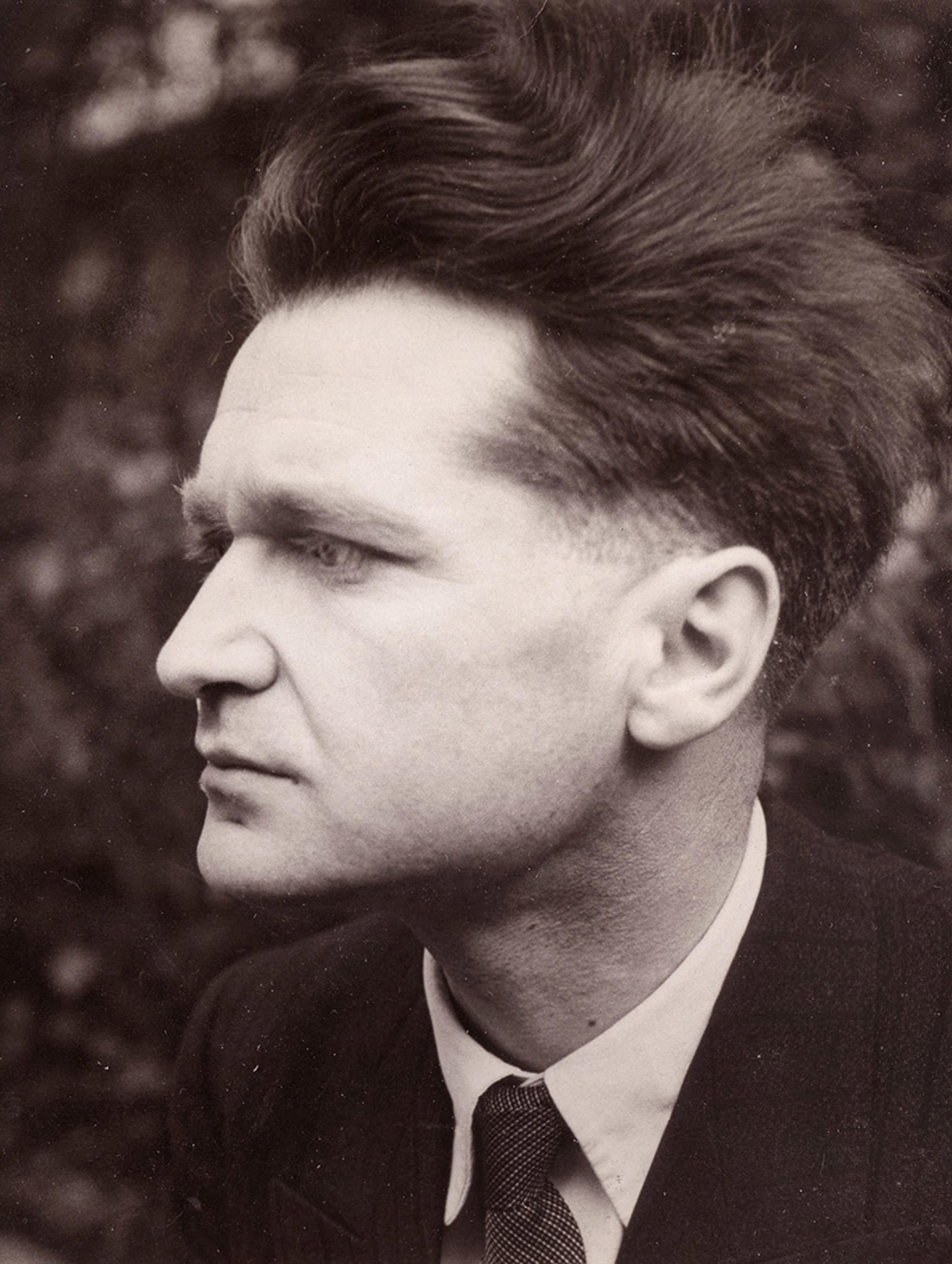
The website Psyche comments on the thought of the Romanian philosopher Emil Cioran (1911-1995) in an essay titled “Learning to be a loser: a philosopher’s case for doing nothing.” The article by Costica Bradatan maintains that Cioran followed the model of Diogenes of Sinope, the ancient Greek hermit and gadfly, in advocating a radical simplicity reducing daily life to non-action, thus liberating the individual to explore values and priorities. From the essay: “Like his ancient predecessor, the Cynic Diogenes of Sinope, Cioran turned his poverty into a badge of philosophical honour.”

Cioran is usually identified with Schopenhauer, Dostoevsky, Nietzsche, Heidegger, and Beckett; he is the author of A History of Decay, The Temptation to Exist, and The Trouble With Being Born.

URL: https://psyche.co/ideas/learning-to-be-a-loser-a-philosophers-case-for-doing-nothing
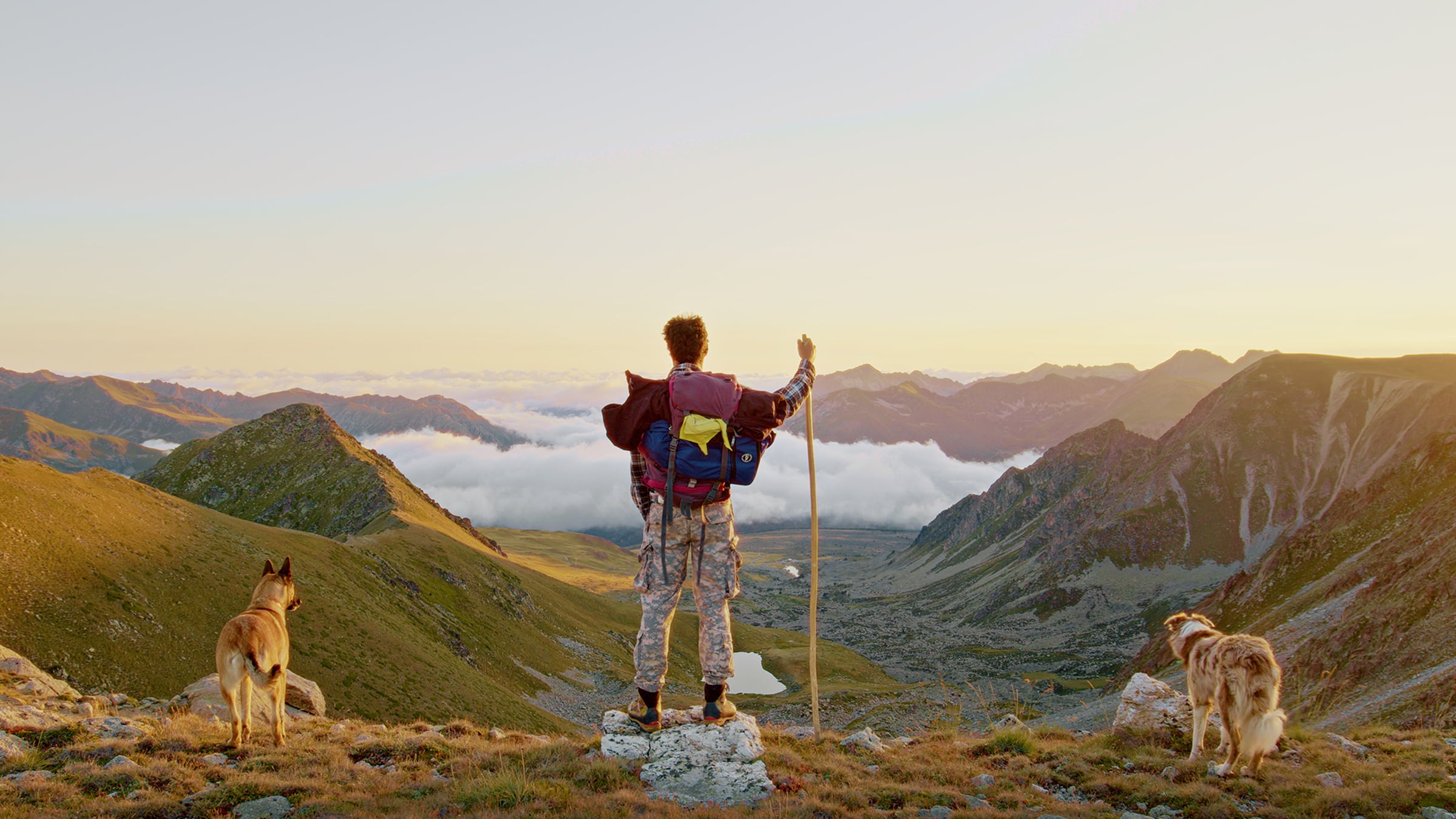
“Notes from Above the Clouds”

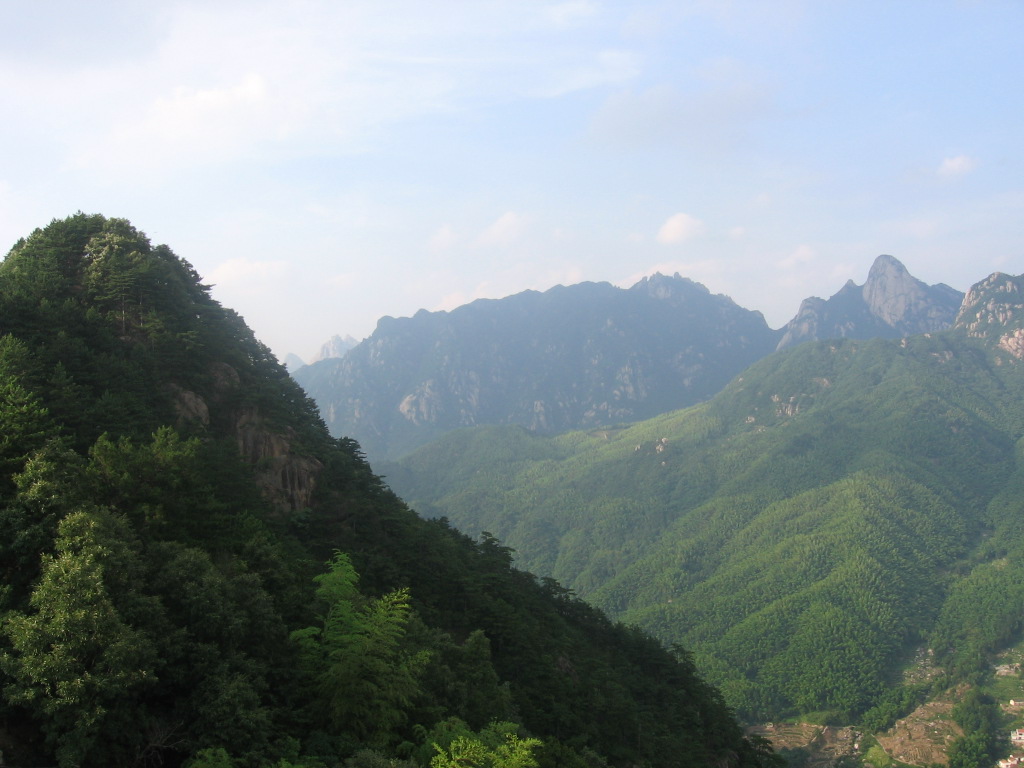
Psyche and Vimeo present an Aeon 15-minute documentary video titled “Notes from Above the Clouds,” about a man who quits emplyment as a routine office worker to herd sheep in the French Pyrenees. From the film’s description, Adham Dobai “thrives in the rugged solitude, finding a deep connection with the terrain, the animals and this ancient tradition” called transhumance.

URLs: Psyche: https://psyche.co/videos/a-former-office-worker-charts-his-own-path-herding-sheep-high-into-the-pyrenees; Vimeo: https://vimeo.com/1095097761

Jean-Louis, hermit of Sagne-Battute

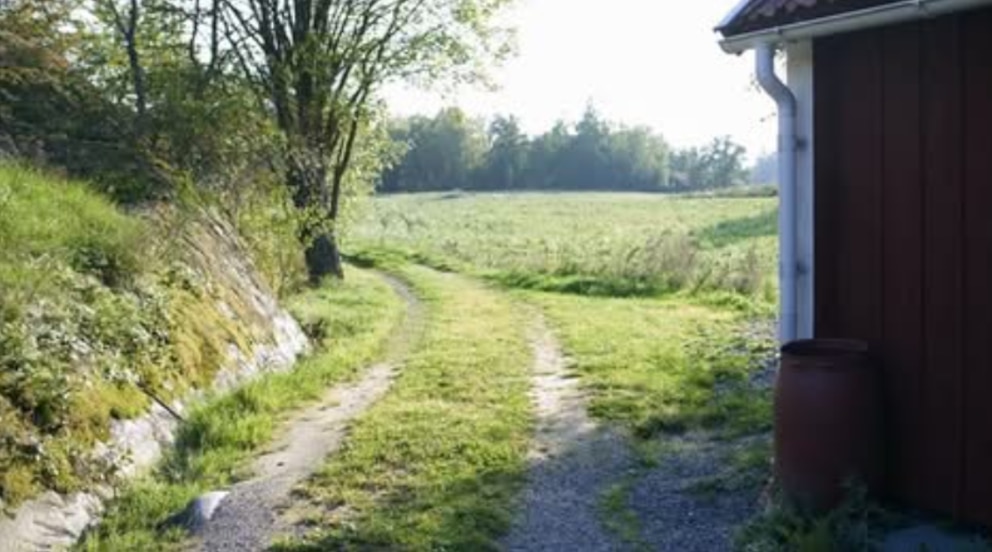
Argentine news site Infobas offers an article about 83-year-old resident of Sagne-Battute, a southweastern French villege. He is the only inhabitant of the village, at the end of a four kilometer road where five empty chalets dot the land. Jean-Louis returned to the village after retiring, intending to restore his grandparents’ farm, and has remained. He describes his life as in a desert, with a television his only link to the outside world — plus the mail that arrives once a week. Articlein Spanish.

URL: https://www.infobae.com/espana/2025/04/26/vivo-completamente-solo-en-un-desierto-a-los-83-anos-este-hombre-lleva-una-vida-de-ermitano-en-su-aldea-abandonada/

French hermit: Charles-Valentin Alkan

The website Classical Music, part of BBC Music Magazine, presents an article titled: “Charles-Valentin Alkan: the hermit who composed devilishly difficult piano works,” about French composer and musician Charles-Valentin Alkan ( 1813-1888). From the article:

“Very unusually among the virtuoso composer-pianists of the 19th century, Charles-Valentin Alkan spent much of his life as an apparent recluse. He shunned the concert platform in favour of keeping his own company, reading, studying and creating some of the most spectacularly demanding piano music ever written.”

Alkan’s reclusiveness was partly based on personality, partly on bouts of depression. As a composer, he was admired by Chopin andLiszt, and for a while Alkan even performed publicly to acclaim. But when not appointed for a desired position at the Paris Conservatory, Alkan disappeared for another twenty years. Even as a recluse, however, he was always composing, and he left dozens of interesting works after his death. The article offers links to audio files ofAlkan’s work.

URL: https://www.classical-music.com/features/composers/charles-valentin-alkan

French hermit: Alexander Grothendieck

The Guardian profiles Alexander Grothenieck (1928-2014). Article title: “He was in mystic delirium – was this hermit mathematician a forgotten genius whose ideas cound transform AI – or a lonely madman?” Byline: “In isolation, Alexander Grothendieck seemed to have lost touch with reality, but some say his metaphysical theories could contain wonders.”

“Born in 1928, he arrived in France from Germany as a refugee in 1939, and went on to revolutionise postwar mathematics as Einstein had physics a generation earlier. Moving beyond distinct disciplines such as geometry, algebra and topology, he worked in pursuit of a deeper, universal language to unify them all. At the heart of his work was a new conception of space, liberating it from the Euclidean tyranny of fixed points and bringing it into the 20th-century universe of relativity and probability. The flood of concepts and tools he introduced in the 1950s and 60s awed his peers.”

Then, in 1970, he quit his prestigious univesity position to drift amopng minor posts until 1990, when he disappeared into solitude altogether, living near a Pyranees village, without radio or telephone, seeing no one, scribbling thusands of pages of manuscripts about philosophy, mathematics, the secrets of plants, and speculations the universe. The notes have been assembled into a book: Harvests and Sowings.

URL: https://www.theguardian.com/science/article/2024/aug/31/alexander-grothendieck-huawei-ai-artificial-intelligence