Merseyside mystery recluse

Echo webnews site of Liverpool, England features a short item titled “Missing German diplomat lived on Merseyside beach for 30 years.” Byline: “Frederick Kreuger appeared in Wallasey in the 1870s and became a beloved local figure despite avoiding human contact.” Here is a classic recluse story. Kreuger appears without a history, avoids social sontact,takes frequnt walks, lives in several beach-front huts which, when opened after his pasing, are “filled with books and papers, including Mozart and Wagner scores, classical volumes written in Ancient Greek and Latin, and works written by Kreuger himself.”

URL: https://www.liverpoolecho.co.uk/news/missing-german-diplomat-lived-merseyside-33091041
Dulwich Hermit (18th century)

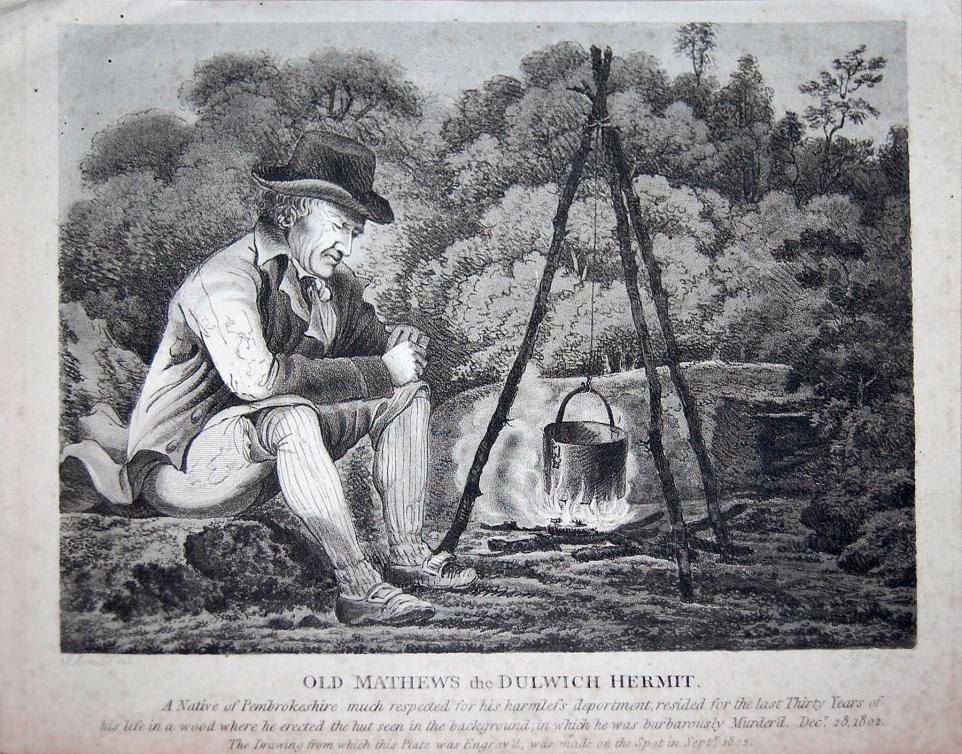
This is Local London offers a short article about an 18th century hermit titled “The Tragedy of the Dulwich Hermit.”

“Samuel Matthews, known for many years as the ‘Dulwich Hermit’ was a native of South Wales born in 1733. He lived a frugal lifestyle in the woods and was subject to curiosity by the locals.

In 1772, Matthews moved to Dulwich with his beloved wife and daughter. He worked tirelessly as a gardener for the local gentry and lived happily. Several years later, his wife passed away. He became melancholy and quickly resolved to secluding himself from society. …

URL: https://www.thisislocallondon.co.uk/news/23158550.tragedy-dulwich-hermit/

t

In Search of Guthlac

Current Archaeology offers an article titled “In search of Guthlac, Crowland’s early medieval hermit,” byline “Excavations in Crowland, Lincolnshire, are exploring the remains of a structure that might be linked to an Anglo-Saxon anchorite.”

While Crowland has been traditionally assumed to be Guthlac’s home, a nearby site at the suggestively-named Anchor Church Field is now the subject of archaeological attention, turning up remarkable ceramics and bone, plus evidence of a large structure.

URL: https://the-past.com/news/in-search-of-guthlac-crowlands-early-medieval-hermit/

Anglo-Saxon king-hermit’s cave

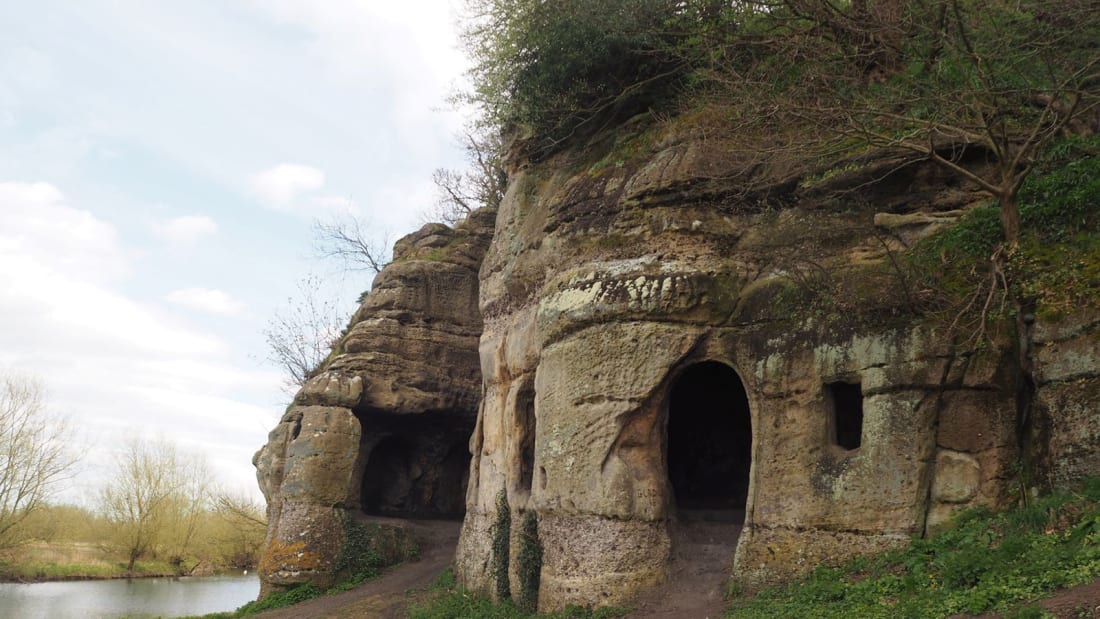
Archaelogists have identified a cave church in Derbyshire, England, with the ninth-century Anglo-Saxon king Eardwulf of Northumbria. Eardwulf was dethroned and exiled, and lived the rest of his life reclusively, known as the hermit (or anchorite) Hardulph, who was to be canonized as a saint. For a time the cave was the presumed dwelling of an ornamental hermit on the expansive grounds of a wealthy eighteenth-century estate owner. Hardulph is thought to have attracted disciples by his eremitic example.

URL: https://www.cnn.com/travel/article/anglo-saxon-cave-house-scli-intl-gbr/index.html?ofs=fbia