“Geographies of Solitude”: film

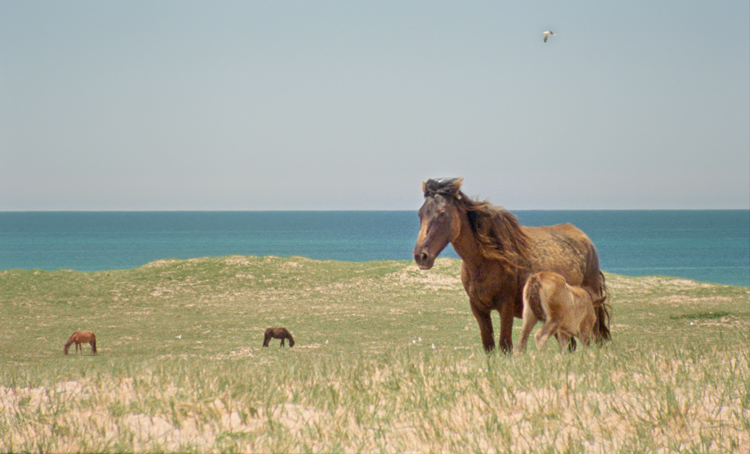
The CinemaGuild presents a 103 min. film titled “Geographies of Solitude.” From the Guild: An immersion into the rich ecosystem of Sable Island, a remote sliver of land in the Northwest Atlantic, ‘Geographies of Solitude’ follows Zoe Lucas, a naturalist and environmentalist who has lived there for over 40 years collecting, cleaning and documenting marine litter that persistently washes up on the island’s shores. Shot on 16mm and created using eco-friendly filmmaking techniques, Jacquelyn Mills’ award-winning film is a playful and reverent collaboration with the natural world filled with arresting images and made with an activist spirit.”

URLs (film trailer)Youtube: https://www.youtube.com/watch?v=elPD39kyF6c; Vimeo: https://store.cinemaguild.com/nontheatrical/product/2660.html


Lawrence Nault, Canadian hermit

A Fawesome documentary film (52 min.) about Canadian writer Lawrence Nault is titled “Echoes of a Hermit: Solitude, Resilience, and the Power of Writing.” Nault, called by media the “Mountain Hermit,” lives alone in the isolated Alberta Badlands. From a description: “The film chronicles a life shaped by homelessness, creative conviction, and the quiet strength of chosen isolation. Through candid conversation and contemplative visuals, viewers are invited into a story that is less about escape and more about endurance.” Another: “Through conversations and stunning visuals, the documentary delves into his past, creative challenges, and pursuit of artistic fulfillment in isolation.”

URL: https://fawesome.tv/movies/10649413/echoes-of-a-hermit-solitude-resilience-and-the-power-of-writing

John Kergan, Canadian hermit

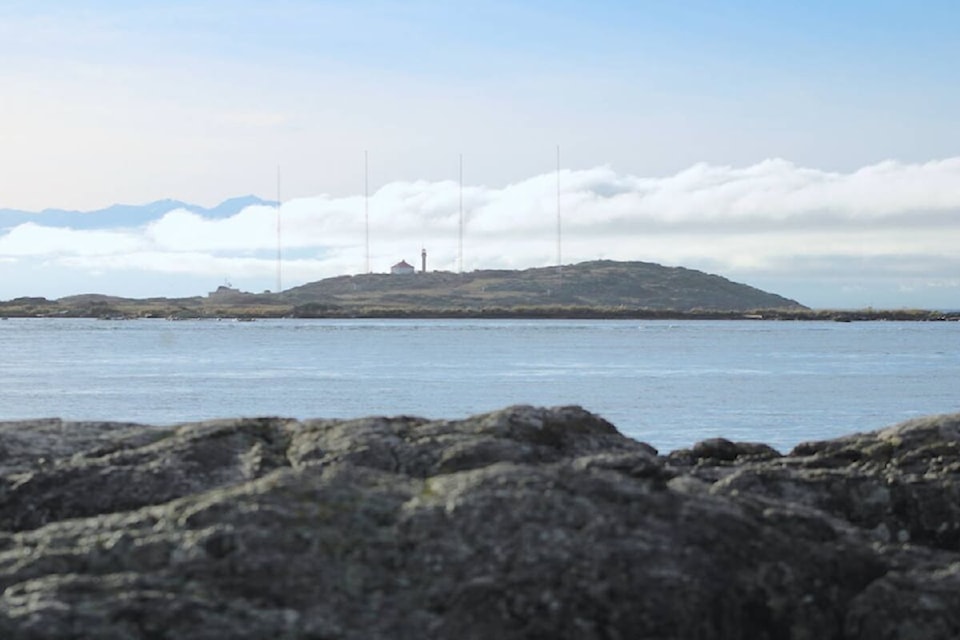
Two local articles summarize the life of John Kergan, a hermit of British Columbia (Canada): “Alone and in peace: the fascinating, forgotten tale of Trial Island’s hermit” (Saanich News, BC) and “John Kergan, Hermit of Trial Island” (T.W. Paterson’s blog on British Columbia history).

The Saanich News item compares Kergan — who thrived in the late nineteenth century — to the late island hermit of Sardinia, Mauro Morandi.

From Paterson’s article: “Kergan seemed to have but one desire in life: to live by himself without interruption or the amenities of civilization. Just offshore of Victoria, on Trial Island, then uninhabited but for seabirds, seals, mink and occasional picnickers, he constructed a crude shelter of driftwood. He was almost totally self-sufficient; with a home-made forge, and rip-saw powered by a windmill of driftwood, he built boats. His salt also was provided by the sea and wild berries on the island were picked for jam, clams were smoked.”

URLs: Saanich: https://www.saanichnews.com/community/alone-and-in-peace-the-fascinating-forgotten-tale-of-trial-islands-hermit-7827060; Paterson: https://twpaterson.com/john-kergan-hermit-of-trial-island/

“Willard: The Hermit of Gully Lake” (film)

Based on the book The Hermit of Gully Lake: The Life and Times of Willard Kitchener MacDonal, by Joan Baxter, is the 2007 film titled Willard: The Hermit of Gully Lake, produced by APL Films, directed by Amy Goldberg, and narrated by Randy Bachman.

Description (from the film): “In the 1940’s American-born Willard MacDonald jumped his troop train heading to WWII. Fearing authorities he lived as a hermit deep in the northern wilderness of Nova Scotia, Canada for more than 60 years inspiring folklore for generations.” Trailer on Vimeo.

URL: https://vimeo.com/168836376

“The Meaning of Solitude”

The Ottawa Citizen (Canada) describes the work of psychologist and Carleton University professor Robert Coplan on the topics of solitude and loneliness. The article,”The Meaning of Solitude,” focuses on the benefits of soloitude. Coplan offers five points about solitude:

1. Beneficial solitude means different things to different people. The key is that it must be something you enjoy that motivates you, said Coplan. “No one can tell you what’s right for you.”

2. Try to find “micro” moments of solitude in a day. Spend 10 minutes on the back porch or go for a walk around the block. Coplan suggests keeping a diary for a week to track time spent alone and the moods these moments produce.

3. Don’t be afraid to let other people know that you need solitude. “It doesn’t reflect on your relationships. It’s a normative need,” he said.

4. You don’t need to be physically alone to enjoy solitude. Some people enjoy solitude in a place where other people are present, such as a park or another public place. Solitude may simply be freedom from other people’s expectations.

5. Solitude may include access to technology, said Coplan. Some people find it necessary to leave their devices at home. Others consider technology necessary to enjoy solitude because they can listen to music or scroll through news websites. However, he advises against looking at other people’s manicured social media posts. Comparing your own reality to other people’s supposedly perfect lives tends to provoke anxiety.

URL: https://ottawacitizen.com/news/local-news/the-meaning-of-solitude-carleton-researcher-probes-the-flip-side-of-loneliness