Japan’s adult hikikomori

While traditionally the hikikomori of Japan have been defined as adolescents and young adults, a recent Japan government study reports that over half a million additional recluses are adults. An editorial in the Japan Times summarizes the issue:

“A recent Cabinet Office estimate that there are some 613,000 people aged 40 to 64 who have shut themselves up at home without working or interacting with others outside of their family over an extended period confirms that the issue of hikikomori (recluse), which used to be deemed a problem mainly among adolescents and youths, has been spreading among the middle-aged population.”

URL: https://www.japantimes.co.jp/opinion/2019/04/05/editorials/measures-needed-address-social-recluse-problem; https://asia.nikkei.com/Economy/Japan-s-middle-aged-recluses-reveal-lasting-damage-of-hiring-ice-age; https://mainichi.jp/english/articles/20180430/p2a/00m/0na/011000c

Castaways exhibit

The Sunday Post (UK) reports on an exhibition and conference on the topic of “300 years of solitude: Why we remain fascinated by world’s most famous castaway three centuries on: From Swiss Family Robinson to Castaway, Gilligan’s Island to Lost, the story of castaways washed up on desert islands has intrigued us for centuries.” The historical shipwrecked sailor Alexander Selkirk was the model for Daniel Defoe’s Robinson Crusoe.

URL: https://www.sundaypost.com/fp/300-years-of-solitude-why-we-remain-fascinated-by-worlds-most-famous-castaway-three-centuries-on/

Medieval Russian survival film

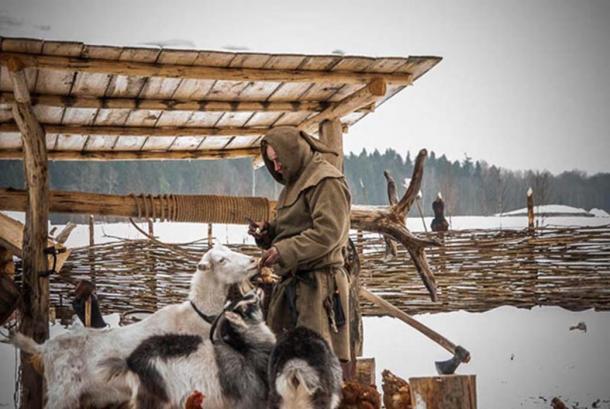
Ancient Origins offers a quick overview of hermits in history as a background to a story on Russian man Pavel Sapozhnikov’s experiment in living in wilderness alone in “Challenge Accepted: 6 Months as a Medieval Hermit in Russia.” The latter is a 2013 Russian-language film titled “Alone in the Past — Surviving the Russian Winter, 9th-Century Style” presented in a reality television style.

URL: https://www.ancient-origins.net/history/russian-hermit-0011573

Waldeinsamkeit

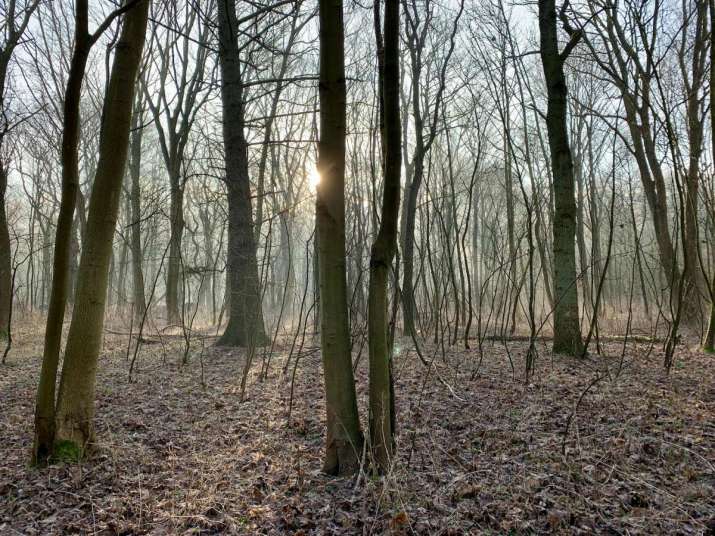
A BuddhistDoor item titled “Discovering Oneself in Woodland Solitude”reflects on the German concept of waldeinsamkeit, a term meaning solitude without loneliness or alienation while i woodland. The article reflects on how this feeling of reassuring solitude is evoked in natural settings such as forests. This article pairs well with the many current discussions of the Japanese practice of shinrin-yoku or forest-bathing.

URL: https://www.buddhistdoor.net/features/buddhistdoor-view-discovering-oneself-in-woodland-solitude