
“The Meaning of Solitude”

The Ottawa Citizen (Canada) describes the work of psychologist and Carleton University professor Robert Coplan on the topics of solitude and loneliness. The article,”The Meaning of Solitude,” focuses on the benefits of soloitude. Coplan offers five points about solitude:

1. Beneficial solitude means different things to different people. The key is that it must be something you enjoy that motivates you, said Coplan. “No one can tell you what’s right for you.”

2. Try to find “micro” moments of solitude in a day. Spend 10 minutes on the back porch or go for a walk around the block. Coplan suggests keeping a diary for a week to track time spent alone and the moods these moments produce.

3. Don’t be afraid to let other people know that you need solitude. “It doesn’t reflect on your relationships. It’s a normative need,” he said.

4. You don’t need to be physically alone to enjoy solitude. Some people enjoy solitude in a place where other people are present, such as a park or another public place. Solitude may simply be freedom from other people’s expectations.

5. Solitude may include access to technology, said Coplan. Some people find it necessary to leave their devices at home. Others consider technology necessary to enjoy solitude because they can listen to music or scroll through news websites. However, he advises against looking at other people’s manicured social media posts. Comparing your own reality to other people’s supposedly perfect lives tends to provoke anxiety.

URL: https://ottawacitizen.com/news/local-news/the-meaning-of-solitude-carleton-researcher-probes-the-flip-side-of-loneliness

Milton as hermit

Historian Gordon Campbell, author of The Hermit in the Garden: From Imperial Rome to Ornamental Gnome, recently lectured on the poem “Il Pensamento” by British poet John Milton, specifically its reference to hermits. Campbell selected the last twenty lines of the poem, the title of which means “The Serious One,” or “The Pensive One.”

The poem represents a transition from Milton’s early Catholic thinking to his conversion to Anglicanism to his radicalization as Puritan — and back again to a Catholic or Anglican sympathy. The latter thinking was for Milton more compatible with his affinity to Melancholy, a popular eighteenth-century attitude among intellectuals and poets, which nostalgia further welcomed the historical hermit. Indeed, in his book, Campbell describes Milton’s poem as “the founding text of the eighteenth-century cult of melancholy.” The cultivation of melancholy conjured a romantic landscape of hermits, though it did not directly advocate eremitism.

URL: https://www.york.ac.uk/news-and-events/events/public-lectures/summer-2021/milton-hermit/

Rilke and solitude

The COVID pandemic has stimulated essays, blog posts, and ruminations on solitude and loneliness for iover a year, but often uneven, unfulfilled, and unconnected to larger themes. Many of these sincere efforts miss opportunities to express larger contexts.

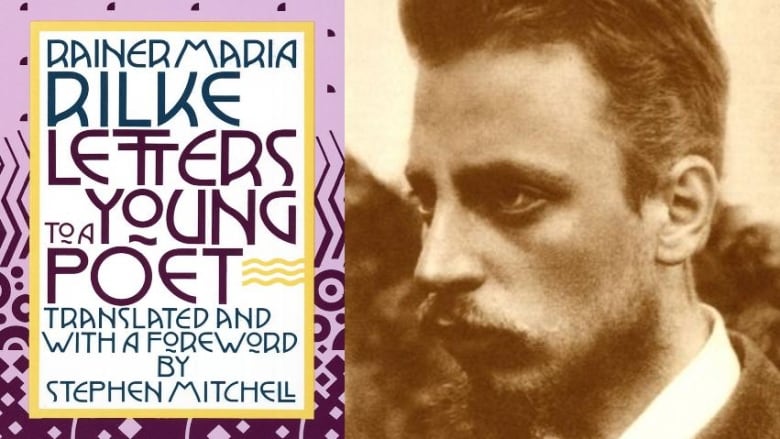
Once in a while, a good connection to a classic or universal writer, poet, thinker, or theme is most welcome. An example is a Canadian Broadcasting Corporation essay on solitude and the Auistrian poet Rilke, titled “‘Live the questions now’: Reading Rilke in a time of uncertainty, grief and solitude.”

The essay pursues poets, writers, solitaries, and suffering people, following the course of solitude in their lives and the balm of discovering Rilke and the theme of giving oneself “permission for solitude.”

Read or listen to the near-hour program.

URL: https://www.cbc.ca/radio/ideas/live-the-questions-now-reading-rilke-in-a-time-of-uncertainty-grief-and-solitude-1.6025217

Yamabushi of Japan

A BBC travel piece, “Japan’s mountain aescetic hermits,” is a short and useful overview of the mountain aescetic Shugendo sect of ancient Japan and its continuity today. The Yamabushi are an eremitic predecessor to hermit practice in Japan, expressed in nature.

URL: http://www.bbc.com/travel/story/20210511-japans-mountain-ascetic-hermits